Cuckoo
an ‘environmental writing’ exploration of the theorisation of the cuckoo bird.
natural vs social history
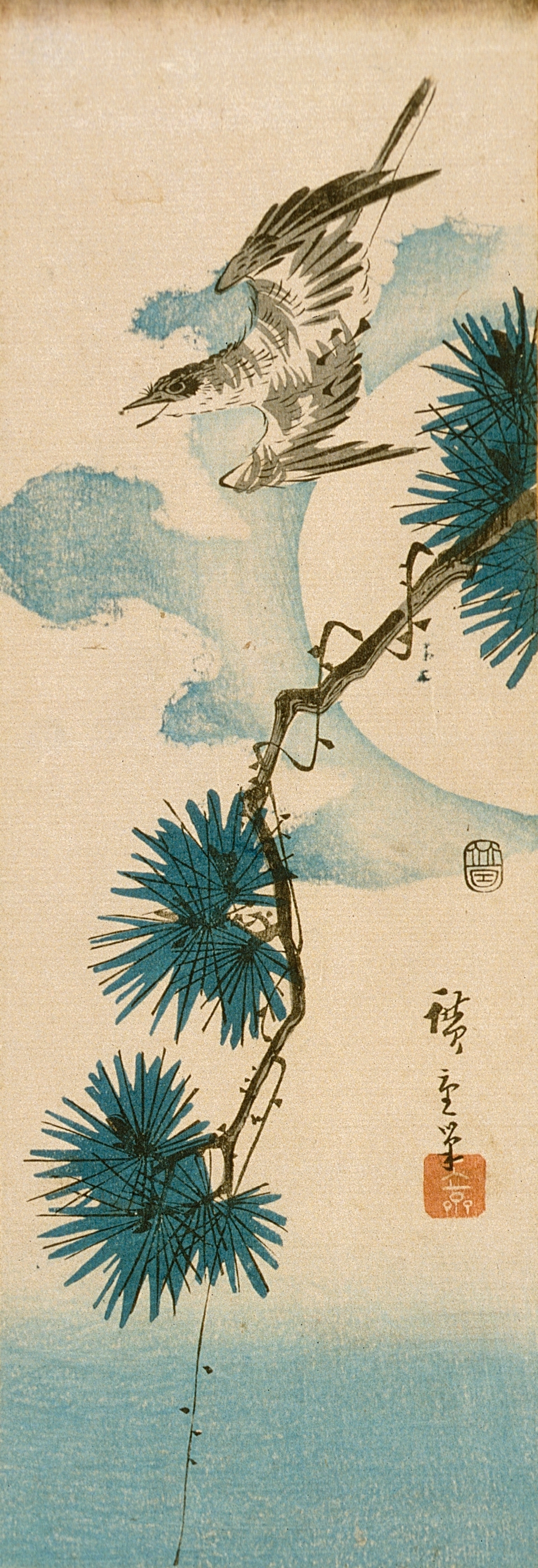
the etymology of the word “cuckoo” has an onomatopoeic origin, recognised more by its call than by its appearance. it is regarded as a ‘harbinger of spring’, and its mating call is often associated with the onset of the farming season and meteorological predictions.
scientific theorisation has additionally indulged that the cuckoo’s call reflects the quality of its environment, offering insights into the evolutionary and ecological dynamics of its breeding strategy
this is because, the reproductive strategy of the cuckoo is ‘parasitic’ in nature. this means, they have the tendency to choose specific hosts to lay their eggs in, rather than making nests on their own.
due to this, the cuckoo’s presence is strongly tied to regions rich in bird species, serving as a powerful indicator of biodiversity and a prime surrogate for bird diversity hotspots.
sacred & profane – emile durkhiem
when relating the cuckoo to a literary thoery, emile durkheim’s convention of the ‘sacred’ (divine) and ‘profane’ (mundane) pair aptly.
in European supernatural folklore, the cuckoo’s migratory arrival after winter is given symbolic significance, representing a return from the netherworld and the delivery of life from their winter abode. this belief extends to the idea that fertility in women is influenced by the moon’s phases, integrating into a broader metaphysical cycle. souls are thought to traverse from another world, incarnating as newborns in a process symbolised by migratory birds like the cuckoo, which act as mediators between realms.
this duality bridges the sacred and the mundane, using myth and folklore to offer everyday access to the divine.
Cultural Ambiguities
the cuckoo’s multifaceted symbolism is highlighted by its contradictory representations in different cultures and historical contexts. the bird is associated with both positive aspects, such as fertility and longevity, and negative connotations, including deceit and faithlessness.
01
old testament: “abomination among fowls,” = negative association, especially in terms of its parasitic nature of brooding
02
greek mythology: projected phallic prowess, zeus, ravished hera by assuming the shape of the cuckoo = phallic, sexual – association with fertility.
03
danish symbol for fertility and longevity + indian folk music as a symbol of rain = positive association: spring call mating season/migration.